
Which Discharge Problems Do Plumbers See Most?
Each of these can make a pump run too long, short cycle or flood the pit. A plumber checks for all of them before saying the pump is bad.
Free call, no obligationLocal plumbers across Lafayette Parish
Serving Lafayette, Youngsville, River Ranch and Broussard
Your pump runs, but water pools by the house or flows back into the pit. The problem is often the pipe that carries water away, not the pump. A local plumber can clear, fix or reroute that line so the water leaves your lot for good.
This number is for sump pumps and the pipes they push water through. When you call, you reach a local plumber who works on pump lines in Lafayette Parish. You do not have to explain what a check valve is to a general handyman line first.
The discharge line is the pipe that runs from the pump, up and out of the pit, and away from the house. If it clogs, cracks, comes loose or drains back, a good pump looks like a bad one. A Lafayette sump pump repair company checks the whole path of the water, not just the motor.
What is sump pump discharge line repair? It is the work of clearing, fixing or rerouting the pipe and check valve that carry water from the pump to a safe spot outside, so the water does not come back.
Each of these can make a pump run too long, short cycle or flood the pit. A plumber checks for all of them before saying the pump is bad.
Silt, clay and leaves build up in the pipe or the outlet. Water backs up and the pump strains.
A mower, car or tree root presses the pipe flat where it runs under the yard.
A glued joint pulls apart and water sprays back under the house or into the crawlspace.
Water falls back into the pit each time the pump stops, so it turns on again and again.
The line ends right by the wall, so the same water soaks back toward the pit.
Air gets trapped between the pump and the valve. The motor hums, but little water moves.
Local weather and soil put steady stress on pump lines all year:
Lafayette is flat, and clay soil drains slowly. Water that leaves the pipe too close to the house has nowhere to go but back down. That is why the outlet spot matters as much as the pipe itself.
Services vary by plumber. Ask which of these they handle when you call.
The plumber flushes or snakes the pipe to remove silt, clay and debris. They also clean the outlet screen or pop up emitter in the yard. A clear line lets the pump empty the pit in a short run, which saves wear on the motor. If the clog keeps coming back, they look for a low spot or a crushed section.
A worn check valve lets water drop back into the pit, which causes fast on and off cycles and a loud thud. The plumber swaps in a new valve, often a quiet style. If the pump also fails to start or stop, they may check the float switch while the line is open.
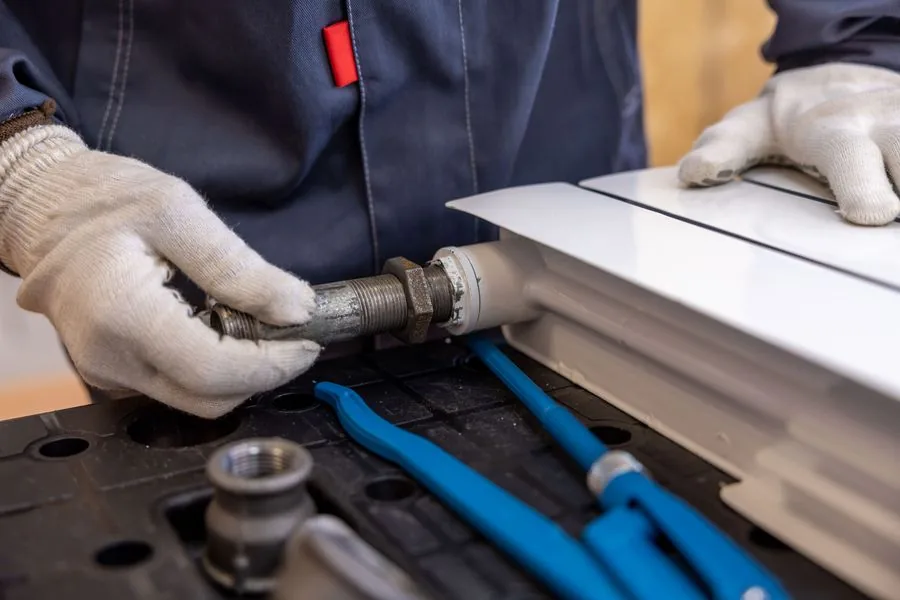
Glued joints can pull apart when a pump kicks on hard. The plumber cuts out the bad section, fits new pipe and supports the line so it does not shake loose again. This is common under raised homes, where pipe hangs in open crawlspace.
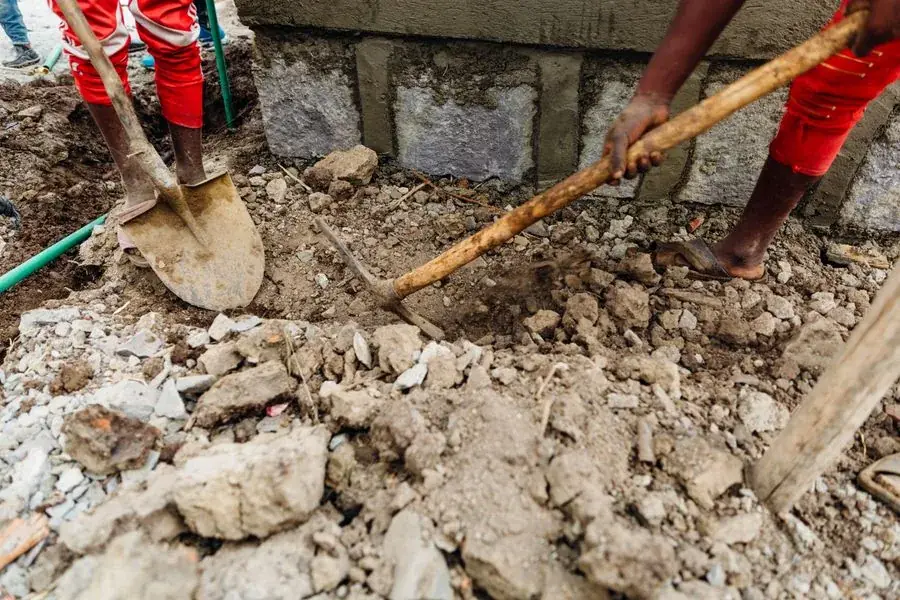
When a line under the lawn gets crushed, the plumber digs to the bad spot and replaces it. They may bury it deeper or move it away from the driveway. Ask how they plan to restore the grass and soil after the dig.
Water that lands next to the foundation soaks back toward the pit. The plumber extends the line to a spot that slopes away, such as a ditch, swale or street drain where allowed. This is one of the simplest fixes for a pump that never seems to rest.
A small weep hole between the pump and the check valve lets trapped air escape. Without it, a pump can hum but move little water. The plumber checks for one and adds it if needed. If the motor still struggles, see our page on pump repair and replacement.
Some lines were run in a poor spot from the start, with long flat runs or too many bends. A reroute gives the water a shorter, cleaner path out. It costs more than a patch, so ask the plumber to explain why a patch will not do.
Many local codes do not allow sump water to drain into the sanitary sewer. If your pump ties into a sewer line, ask the plumber what is allowed at your address and how to reroute it. Sewage pumps are a different system, covered on our sewage pump page.
Each plumber sets its own scope and fee, so ask when you book. Most visits include a pump test, a check valve check and a look at the outlet. Ask if the visit fee counts toward the repair. Our repair cost guide lists what changes the price.
Pump, valve, pipe and outlet, not just the motor.
You should know why the water came back.
You approve the quote before any digging.
Full cycles run after the fix, with you watching.
It can be. Water that drains back makes the pump run far more than it should, which wears out the motor sooner. If the pit overflows in a storm, see our emergency repair steps and call.
Fix the line first if the pump starts, stops and moves water on a test. A healthy pump with a bad line just needs the line fixed. If the pump also hums, overheats or runs dry, the plumber may suggest both.
It should end on ground that slopes away from the house, far enough that water does not soak back to the pit. Many local codes do not allow it to drain into the sewer, so ask your plumber what is allowed where you live.
That sound is often water slamming a worn check valve. A plumber can swap in a quiet style valve, which also stops water from falling back into the pit.
You can clear leaves or mud from the outlet in the yard. Unplug the pump before you touch anything near the pit, and call a plumber if the clog is inside the pipe.
Fast cycling often comes from a failed check valve, a float set too tight or a pit that is too small. A plumber can test each one and fix the cause.
It depends on your address and the work. Ask the plumber, since they know the rules in Lafayette and the nearby towns.
Want the bigger picture? Read about sump pump fixes across Lafayette Parish, from the pump to the pit to the outlet.
What we help with
 Emergency RepairPump quit in a storm or the pit is overflowing? Safe first steps and what to tell the plumber.See details
 Float Switch RepairPump will not start, will not stop or clicks on and off. The switch is the usual cause.See details
 Pump Repair & ReplacementSubmersible and pedestal pumps tested, repaired or swapped for the right size.See details
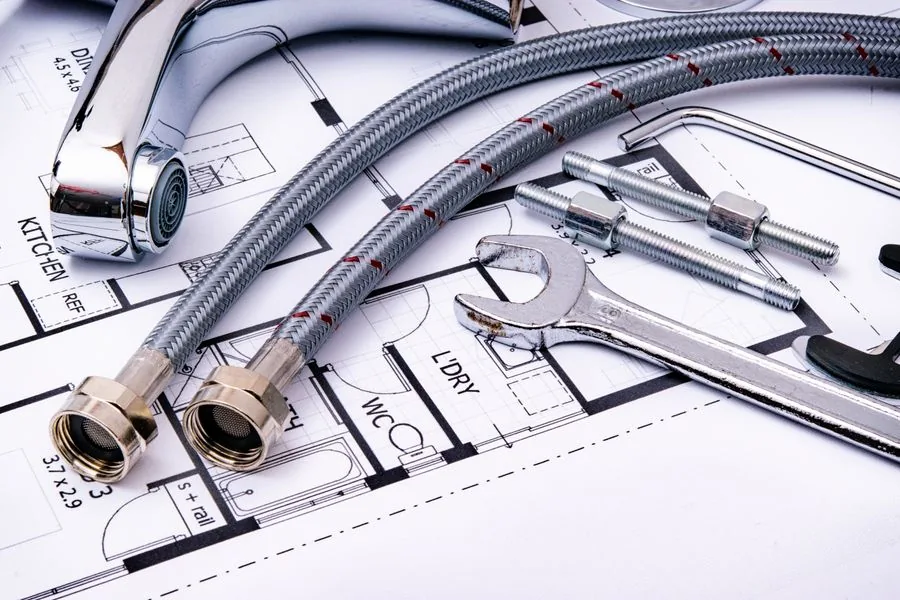 Battery Backup PumpsA second pump that keeps running when a storm cuts the power.See details
 Sewage & Ejector PumpsAlarms, odors and backups from ejector, grinder and sewer pumps.See details
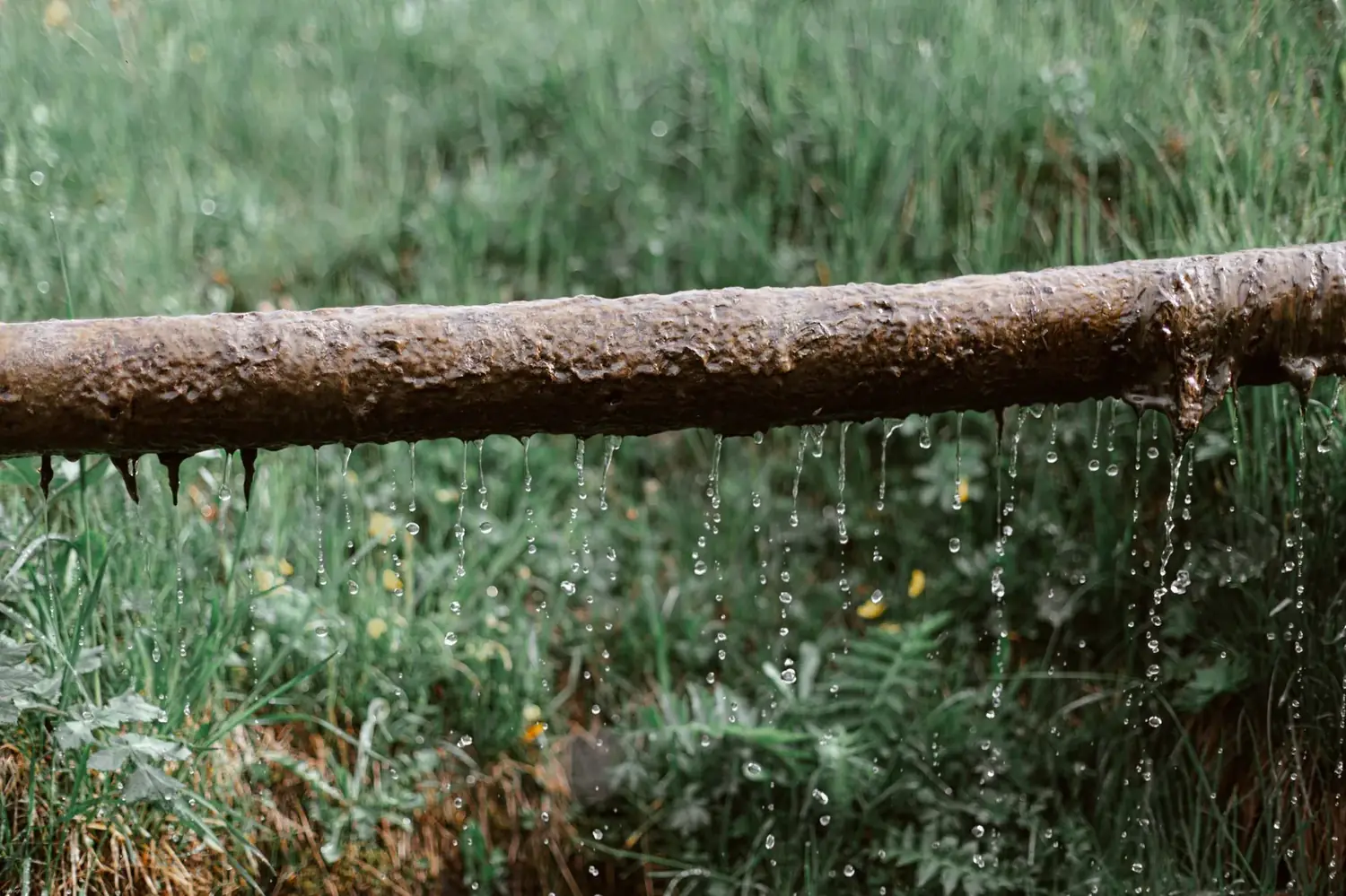 Repair Cost GuideWhat drives the price, repair or replace, and how to get a clear quote.See details
Call to reach a local Lafayette plumber who works on sump pump lines, check valves and outlets, based on who is available.